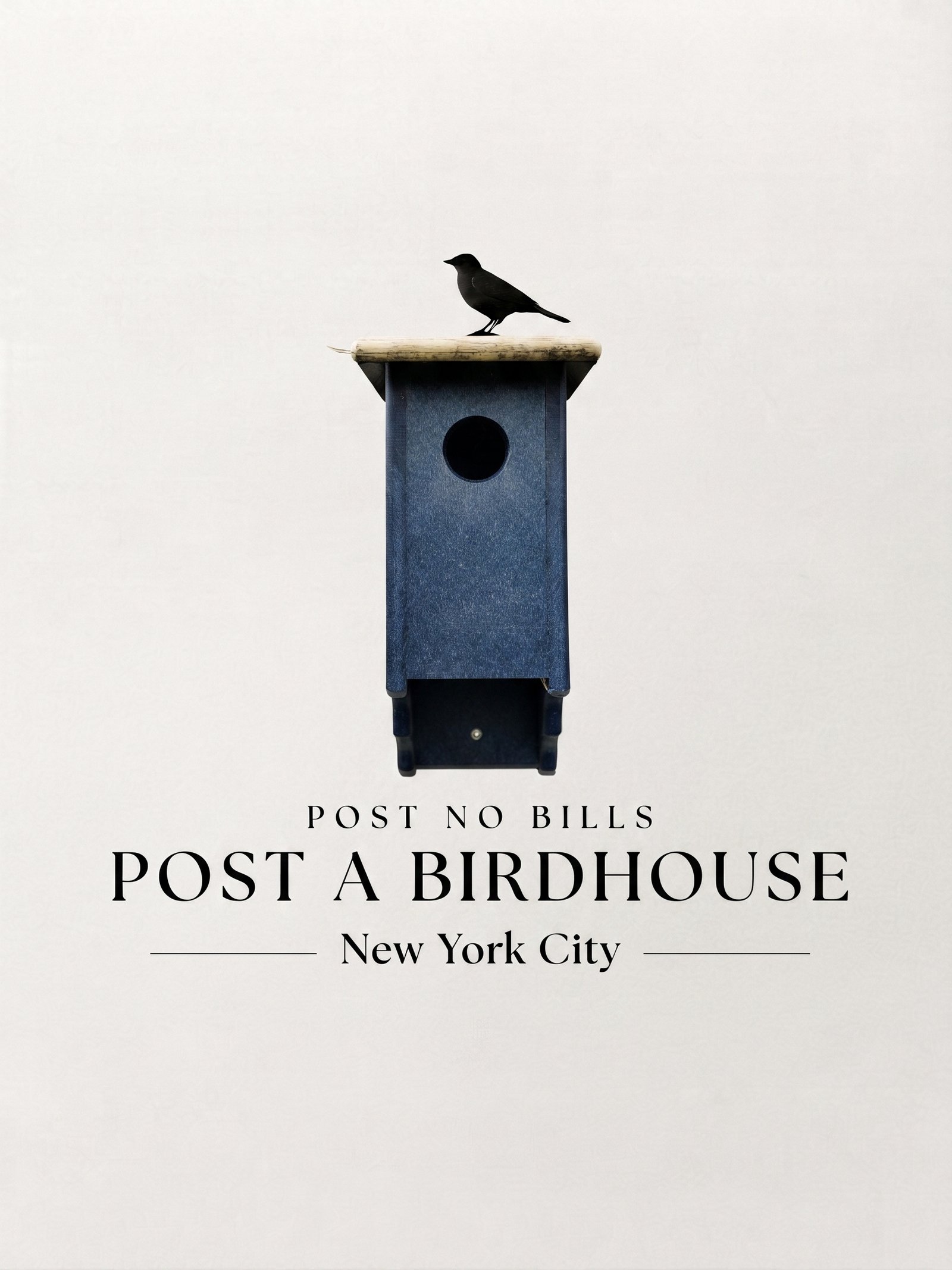
Bringing a piece of the Finger Lakes region in Upstate New York to the heart of the city. Handcrafted sanctuaries designed for urban birds and modern spaces. Not for pigeons.
"We believe everyone deserves a connection to nature, no matter where they live."
Our mission is to bring a little piece of the Finger Lakes region in Upstate New York to the heart of New York City by installing handcrafted birdhouses that provide safe nesting places for native birds while adding color, character, and a touch of country charm to urban neighborhoods.
Together, one birdhouse at a time, we're making New York a little greener, a little kinder, and a little more alive.
Handcrafted in Upstate New York utilizing premium materials built to last through the harshest elements.
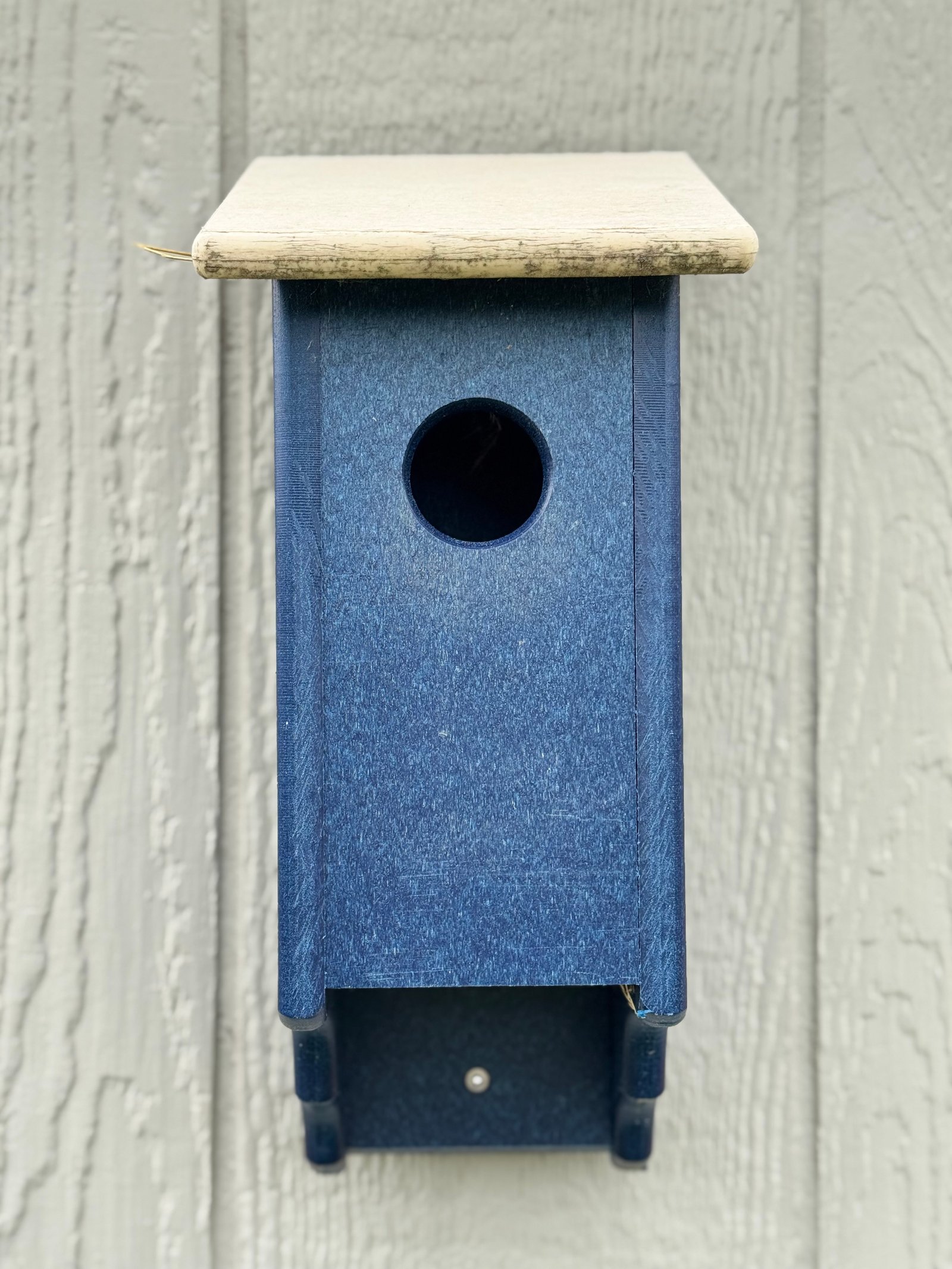
Upcycled Mennonite Craft
Built entirely from excess polly composite pieces sourced from the crafting of Mennonite handmade furniture. Weather-impervious, virtually indestructible, and zero maintenance.
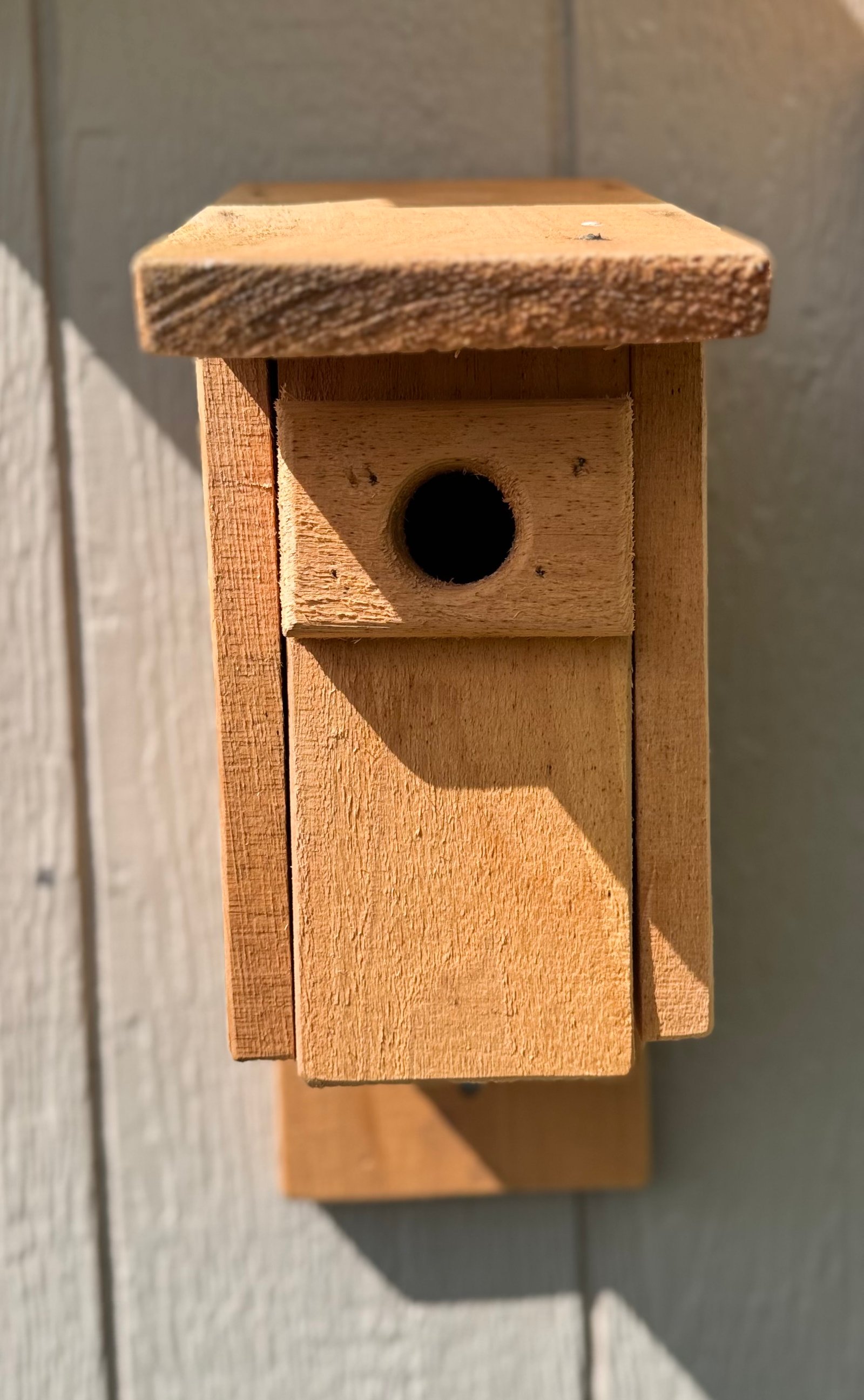
Traditional Timber Craft
Handcrafted from sustainably harvested Finger Lakes pinewood. Designed to weather naturally over time, developing a rich, organic patina that mirrors classic Upstate aesthetics.
Our luxury birdhouses provide specialized sanctuaries tailored for the unique species navigating the New York City landscape.
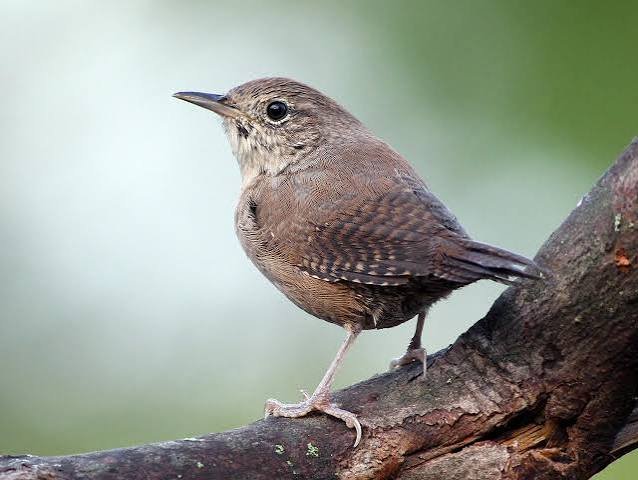
Tiny & Loud
A tiny, loud brown bird that loves small wooden boxes with a 1-inch to 1.25-inch entrance hole. They fill houses with messy twig piles.
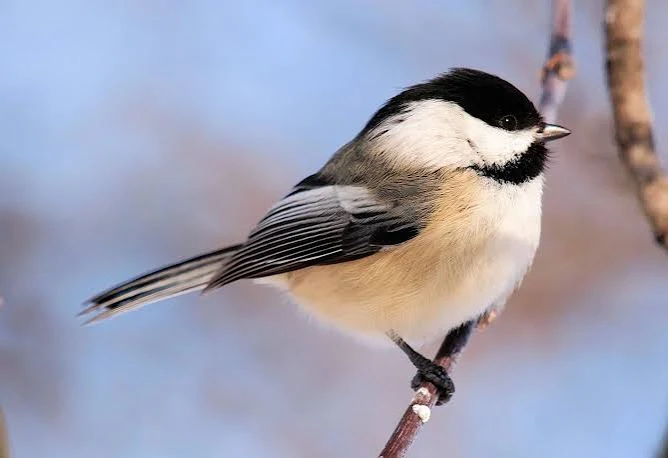
Year-Round Resident
A friendly year-round resident with a black cap that uses boxes packed with moss, hair, and feathers.

Urban Creeper
A small grey-and-white creeper that adapts well to urban and residential green spaces.
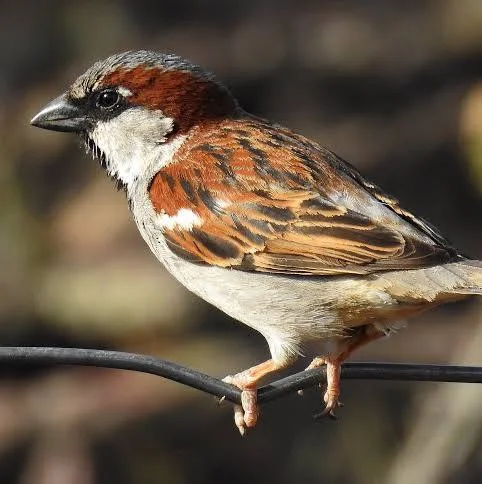
Invasive Resident
An invasive, non-native bird very common in NYC that frequently takes over small nest boxes.
Note: These sanctuaries are designed strictly for native songbirds and small urban species — not for pigeons.
5% of all profits go directly toward planting more trees across New York City, fostering healthier urban ecosystems from the ground up.
Plant a new tree in a park or on a street in honor of a loved one. Our Forestry Division will help you select a location and tree species. You can also make a donation to have a Tree Guard with an engraved plaque installed around a street tree bed. Your donation supports tree guards, tree planting, and sidewalk repair.
Every birdhouse begins its journey in the Finger Lakes region of Upstate New York. Built by master Mennonite woodworkers, each piece utilizes premium pinewood and excess polly composite remnants left over from the construction of heirloom handmade furniture.
By repurposing these high-performance materials and sustainable local timber, we create sanctuaries that honor traditional craftsmanship while keeping industrial waste out of landfills.
Now, these rural sanctuaries are making their way to the city. Designed to thrive on NYC balconies, fire escapes, and rooftop gardens, each piece brings a touch of countryside calm right to your corner of the metropolis. Weather-resistant, eco-friendly, and built to last a lifetime.
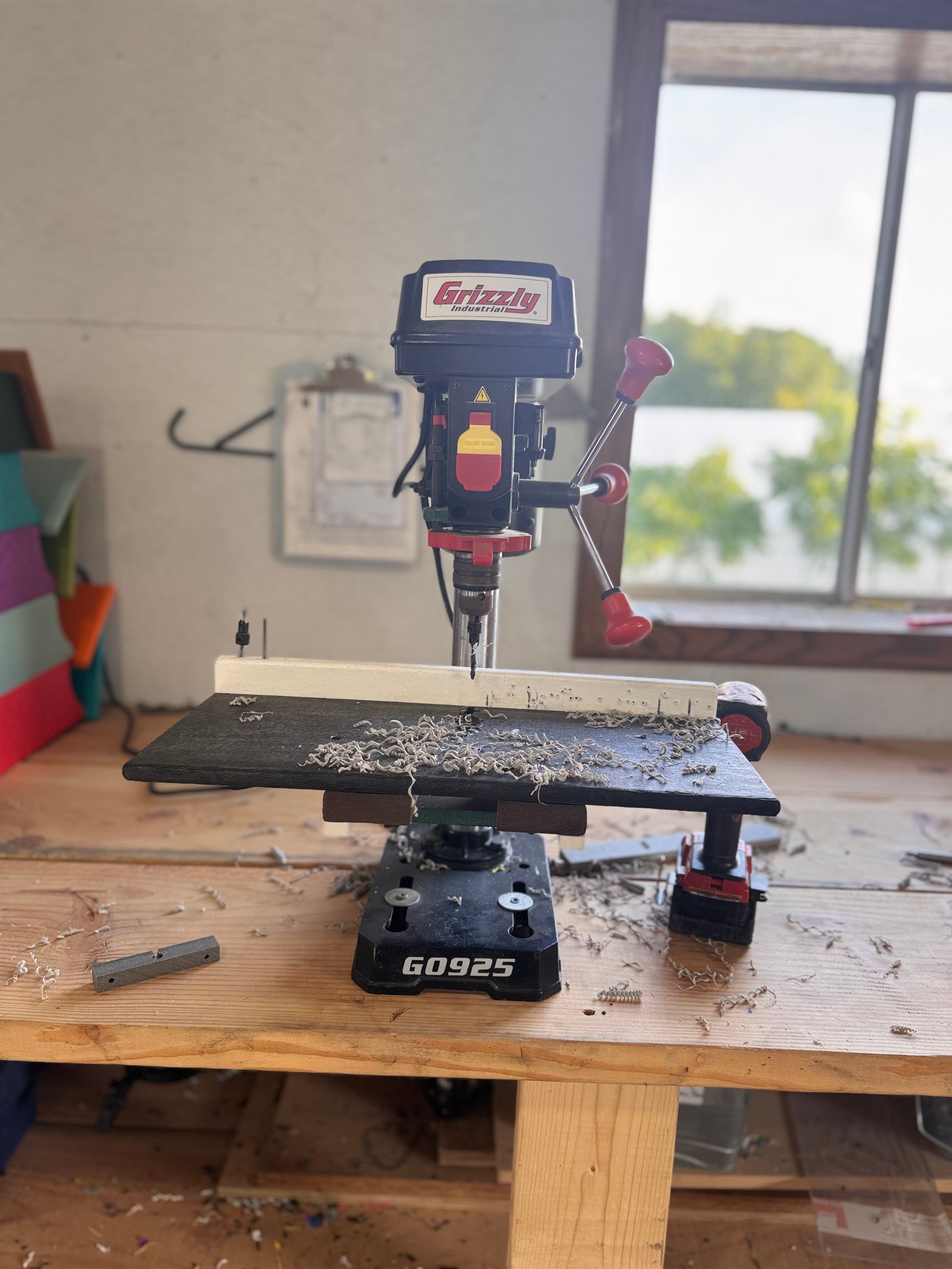
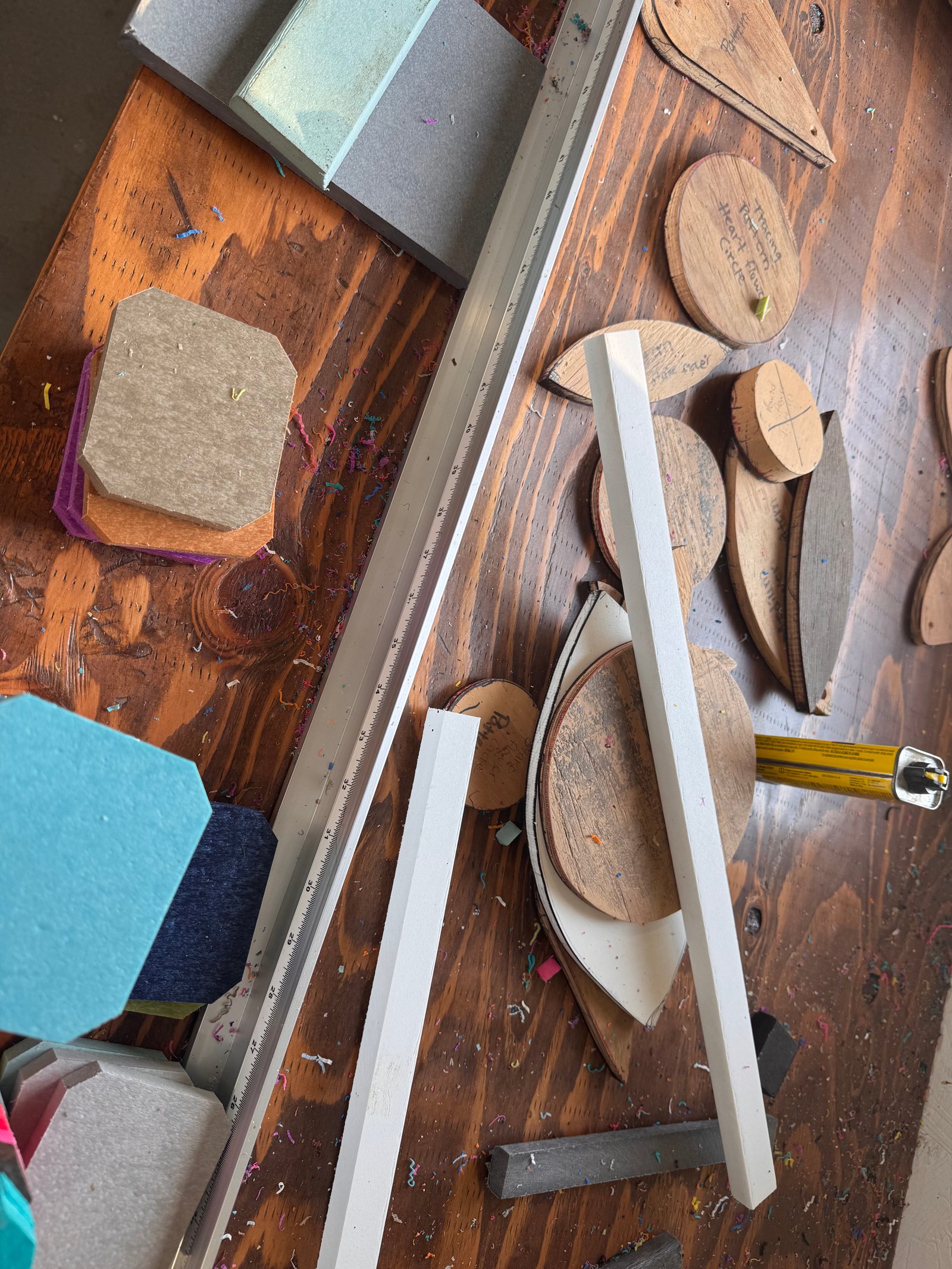
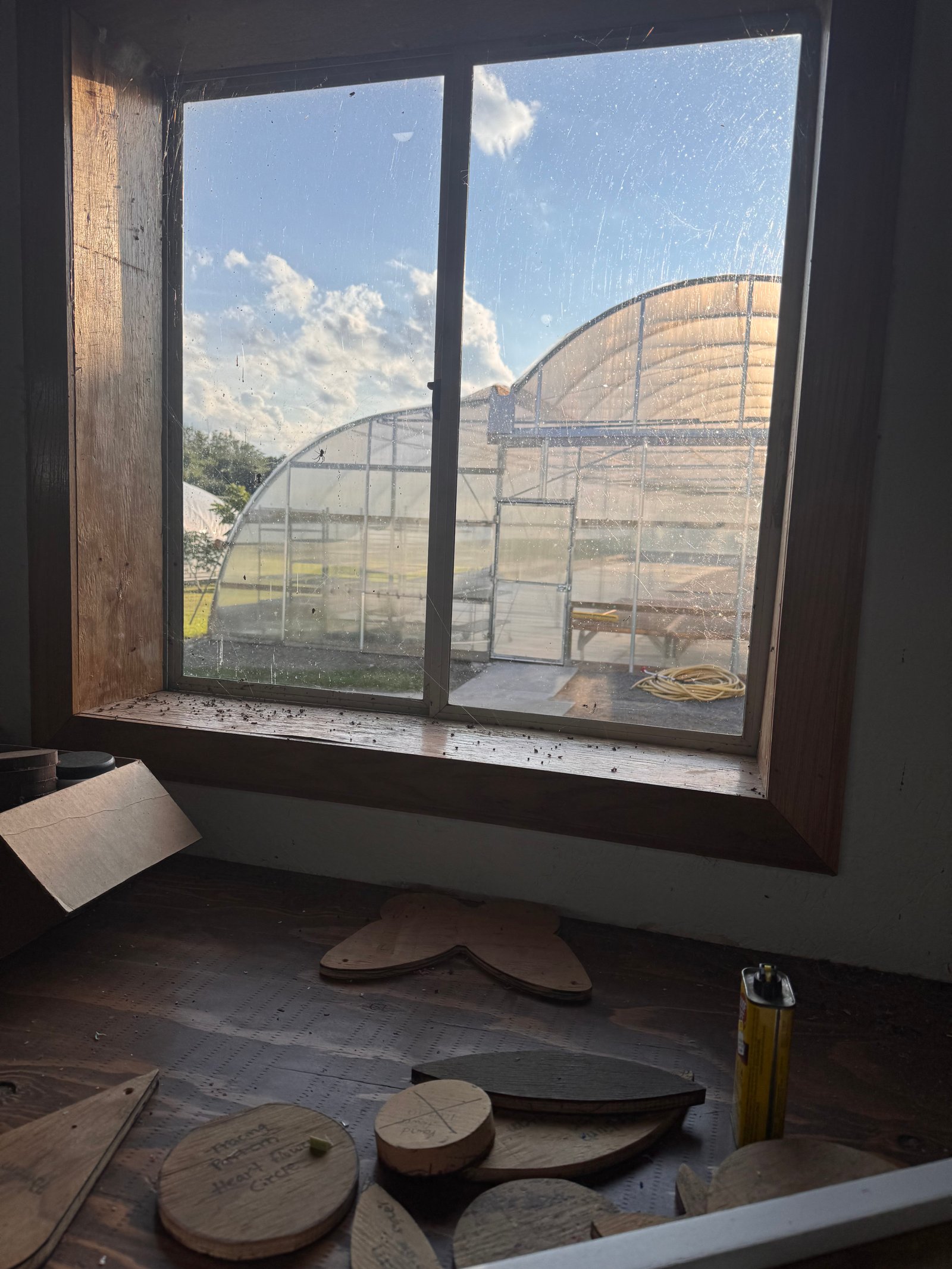
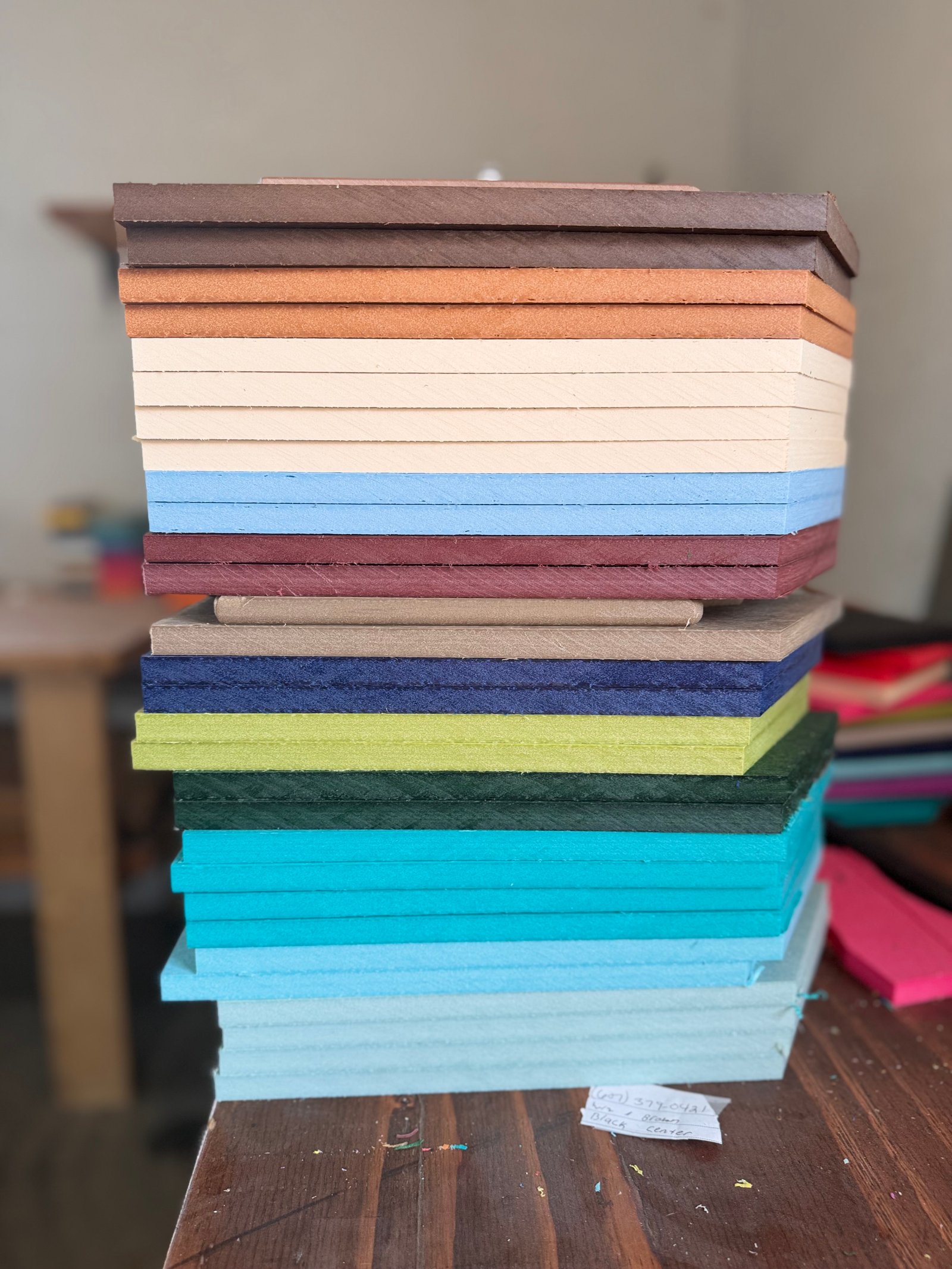
Take a look inside our Upstate New York workshop, where sustainable timber and upcycled polly lumber are transformed into urban sanctuaries.
Stacks of high-performance polly lumber sorted by tone and thickness. These recycled composite boards provide weather-impervious durability without ever needing paint or stain.
Looking for the ultimate unique gift? Give the cheapest piece of real estate in New York City—fully protected with lifelong squatter rights for local songbirds.
Including Tax
Including Tax
By repurposing these high-performance materials and sustainable local timber, we create sanctuaries that honor traditional craftsmanship while keeping industrial waste out of landfills.
Won’t rot, crack, peel, or splinter even in harsh climates.
No painting, staining, or sealing; just wash with soap and water.
Made from recycled plastics, reducing landfill waste.
Holds up for years of daily outdoor use.
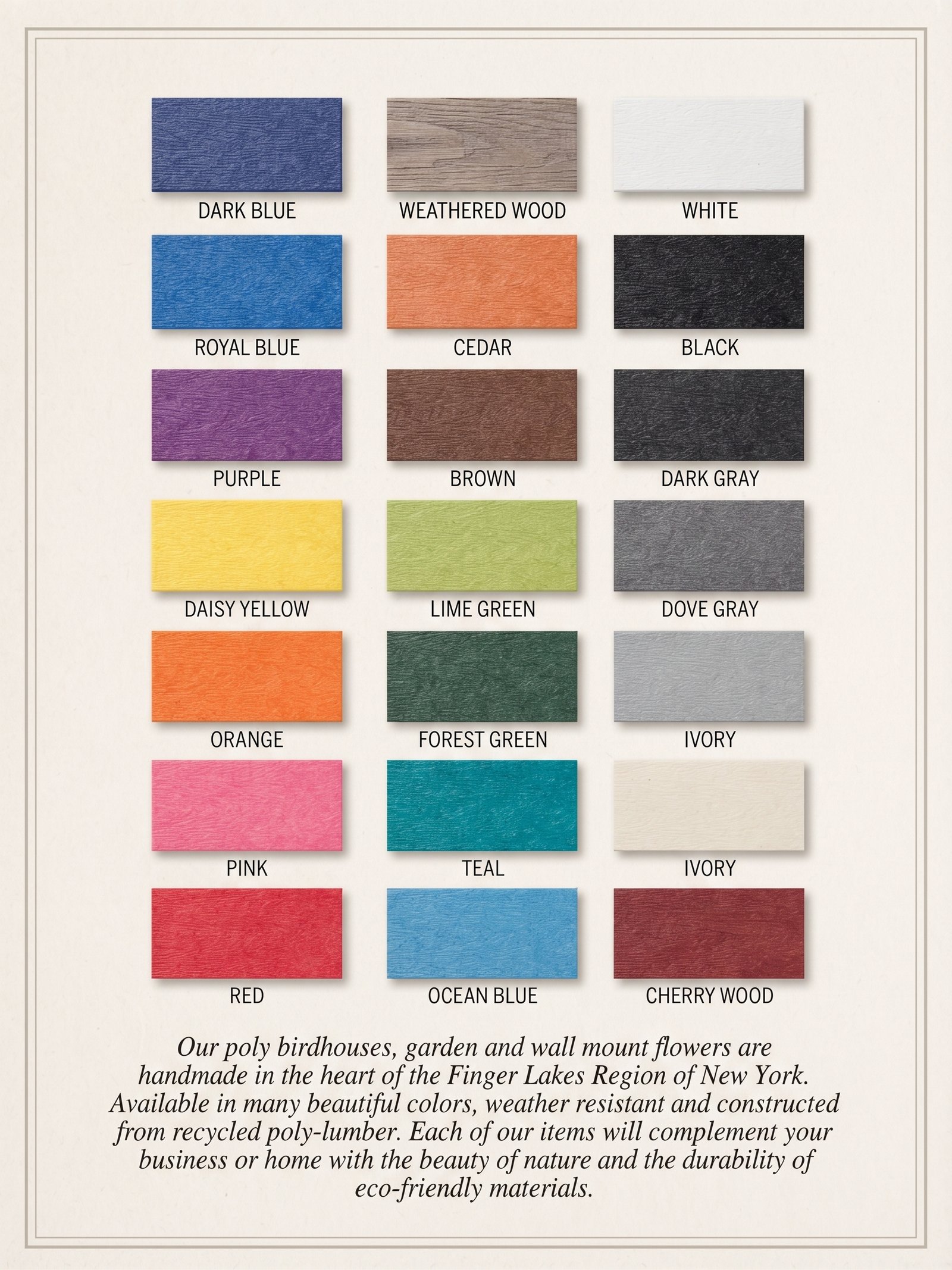
Want to rep your squad or match your aesthetic? We offer personalized color options inspired by popular New York sports teams as well as custom requests.
Anyone can sponsor a birdhouse in honor of a loved one, a family, a business, or simply for the joy of giving back. Optional engraved stainless steel dedication plaques create a personal connection while supporting healthier urban habitats.
Inquire About SponsorshipFill out the form below to submit your order or inquiry directly to Postabirdhousenyc@gmail.com.
Venmo: @Postabirdhousenyc
Please include your name and selected pricing tier in your Venmo payment note.